

Head-up display (HUD) technology and digital instrument clusters are now widely adopted as essential display solutions in today’s passenger cars.
Materion designs state-of-the-art thin-film coating solutions and manufactures key components that enable automotive suppliers to deliver appealing, high-performance display systems to car manufacturers worldwide.
Digital Instrument Clusters
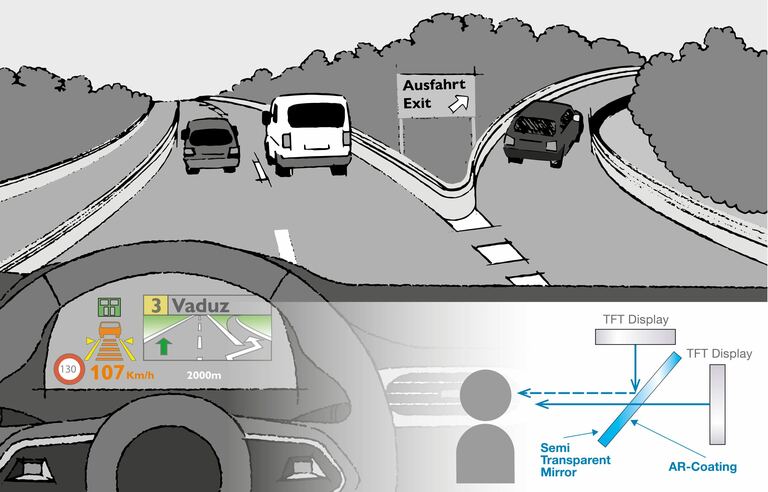
The newest generation of instrument cluster displays consists of two TFT displays combined with a plastic blade coated with a semi-transparent mirror layer. This integrated mirror blade adds depth to the display system, creating a convincing 3D image free from blur and depth distortion common in earlier display generations.
Broadband anti-reflective coatings on the backside of the mirror blade effectively eliminate ghost images and unwanted reflections, ensuring clear visibility under all lighting conditions.
Materion applies organic hardcoating as an interlayer between substrate and PVD coatings on all outer surfaces of the plastic mirror blades. This automotive-qualified package meets stringent environmental and optical requirements for automotive display applications.
Windshield Head-Up Display
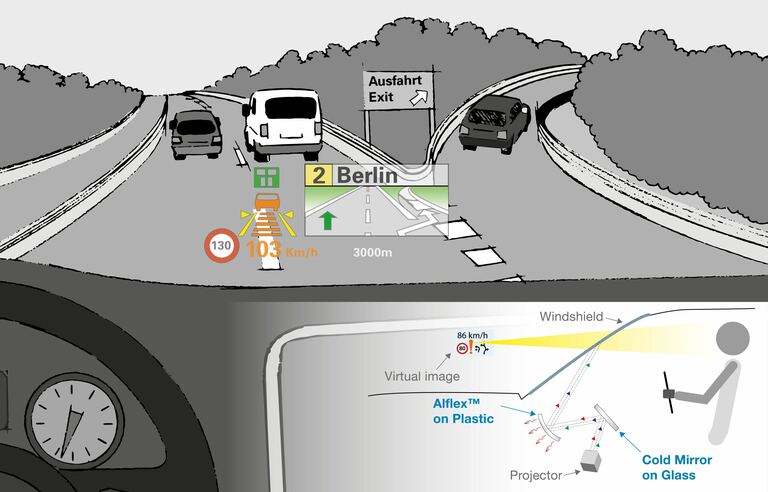
Windshield- or Augmented Reality-HUDs significantly increase driver safety by allowing the driver to read relevant information inside the windshield’s perimeter without distraction from the traffic situation.
The HUD image is generated by a digital projector and a series of mirrors that project a distortion-free virtual image onto the curved surface of the passenger car’s windshield.
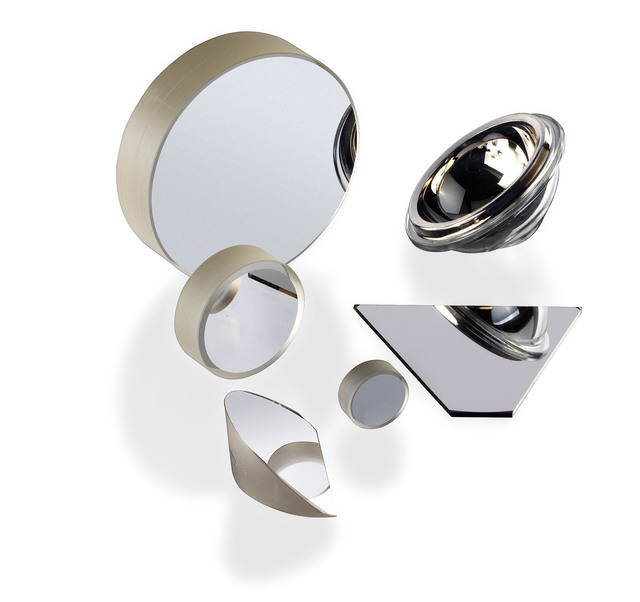
The image quality of AR-HUD systems benefits greatly from Materion's Alfex™ or Silflex™ mirror coatings, which can be deposited onto suitable, form-stable, high-grade optical plastic substrates that meet stringent automotive environmental requirements.
Automotive HUDs are typically integrated into the car’s dashboard and regularly exposed to high temperatures due to heat dissipation from projection light sources and direct sunlight exposure. The use of Cold- or Hot Mirror Coatings (transmit or reflect infrared thermal radiation) in the optical system is a common strategy for thermal management in projection systems.
Combiner Head-Up Display
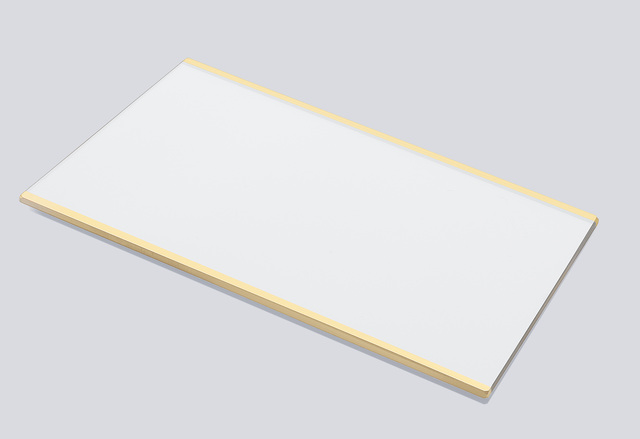
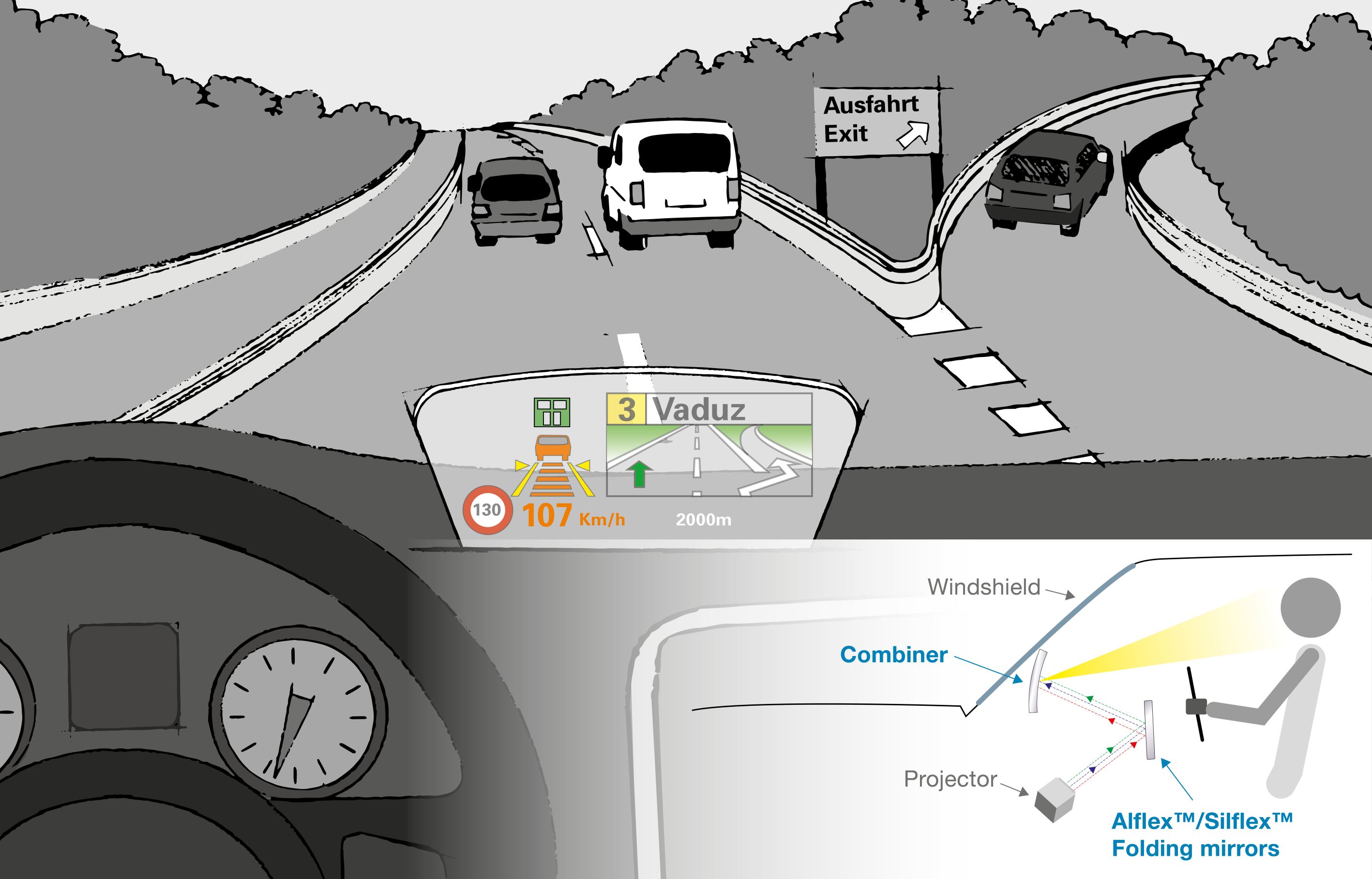
The Combiner HUD is another version of an automotive head-up display. It consists of a transparent substrate (the combiner) that handles the image reflection in front of the windshield. Combiner HUDs are particularly suitable for vehicles with steeply curved windshields and in more confined spaces.
Custom-designed and color-neutral combiners provide the crisp, high-contrast images required for automotive display applications. The combiner coatings are applicable on a range of automotive-qualified optical plastics and can be deposited on injection-molded parts in various forms and sizes. Complementary broadband and multi-layer AR coatings further eliminate ghost images from the combiner backside.
For both windshield and combiner HUDs, Materion applies organic hardcoatings as an interlayer between substrate and PVD coatings to protect plastic surfaces and make them abrasion-resistant.
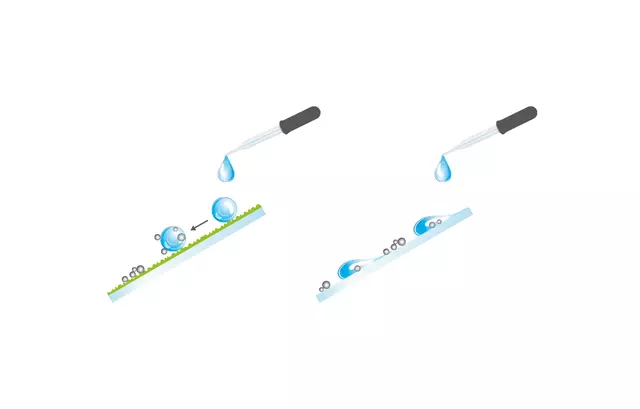
Additional coating stack features include antistatic films to reduce dust accumulation and our hydrophobic TopFlex™ coating that makes the display surface repellent to liquids.
Benefits
- Improves driver safety by displaying critical info within the driver’s view
- Delivers sharp, blur-free 3D visuals with high contrast
- Reduces glare, reflections, and ghost images for clear displays
- Durable coatings withstand heat, sunlight, and abrasion
- Customizable designs for various automotive applications
- Minimizes dust and repels liquids for easier maintenance
- Manages heat for stable, long-lasting performance
Applications
- Windshield Head-Up Displays (HUD)
- Combiner Head-Up Displays
- Digital Instrument Clusters with 3D features
- Augmented Reality HUD systems